
You are using an out of date browser. It may not display this or other websites correctly.
You should upgrade or use an alternative browser.
You should upgrade or use an alternative browser.


- Awards
- 20
Yes, the wedding was popular. The following marriage became increasingly stale.52 million people tuning in to see Rhoda's wedding episodes, and top ten placement for the first two seasons where Rhoda was married would tell me that it was a popular concept. And falling out of the top 20 in season 3 when Rhoda/Joe split would also tell me that a divorced Rhoda wasn't something people wanted to see.. especially in the 70s.


Most of the MTM-produced series in the 70s were the workplace/domestic life hybrids. It seeemd like the producers of Rhoda didn’t want to have much of a workplace component to avoid comparisons with the parent show. But they didn’t know what to do with the character of Rhoda in a domestic sitcom. They kept floundering around with most of the supporting cast, aside from stalwart Julie Kavner, coming and going. They’d have a character on for an episode and then they’d suddenly be recurring, like Rhoda’s friend Myrna. It reeked of desperation.
- Awards
- 11
Apparently they made Nancy Walker a regular too boost ratings.


- Awards
- 9
Interesting that MTM ended only 4 days after THREE'S COMPANY started. That seems awfully symbolic of something.
Last edited:


- Awards
- 3
I liked that Myrna and Susan (her two high school chums) would come in for visits the first two seasons or so. Dropping them + losing the domestic marital element kind of isolated Rhoda in a way that didn't occur with Mary.Most of the MTM-produced series in the 70s were the workplace/domestic life hybrids. It seeemd like the producers of Rhoda didn’t want to have much of a workplace component to avoid comparisons with the parent show. But they didn’t know what to do with the character of Rhoda in a domestic sitcom. They kept floundering around with most of the supporting cast, aside from stalwart Julie Kavner, coming and going. They’d have a character on for an episode and then they’d suddenly be recurring, like Rhoda’s friend Myrna. It reeked of desperation.
Mary had the work element and moving up at the company as a good way to keep her character fresh.. including occasional boyfriends and gatherings at her new apartment. The attempts at a new Rhoda/Phyllis vibe at the new apartment didn't work although I commend them for recognizing true comic talent by having those two attempts be Ms. Marshall & MKP.
- Awards
- 9
The attempts at a new Rhoda/Phyllis vibe at the new apartment didn't work although I commend them for recognizing true comic talent by having those two attempts be Ms. Marshall & MKP
The MKP character annoyed me in her single appearance and I was glad to not see her again. I thought Penny's Paula had interesting potential but it's hard to say if she would have clicked as Mary's friend. She only had two appearances, a brief into and then an episode that centered her around Lou more than Mary. What was interesting about Paula to me is that she seemed to be what Rhoda had thought she was, a bit of a sadsack. If I have a single complaint about early MTM, it's the ridiculous notion that Rhoda was the dumpy one. No amount of schlubby sweatshirts or Phyllis putdowns could disguise the fact that Valerie was gorgeous and, what, at most 5 lbs "overweight"? Whatever Penny's great gifts, conventional beauty was not one of them and she did "morose loser" pretty well.
Mind you, I'm glad Penny hit it big with L&S, but I'd have liked to see her on MTM longer.


- Awards
- 21
This story belongs over here:
Mary Tyler Moore died on my mother's penultimate birthday -- strange, as my mother had an absurd love-hate relationship with Mary Tyler Moore: when Mary was on DICK VAN DYKE, and early-MARY TYLER MOORE, she thought Mary was just adorable..... But something changed. Soon, no one could even mention Mary in my mother's presence without her stiffening up... One day, her mother -- my grandmother (the one who reminded me of a blend between Miss Ellie and Judith Anderson, whom she adored) -- asked me why my mother had such an issue with Mary Tyler Moore. I answered, with pubescent confidence, that when Mary Richards (a woman in her thirties) was revealed to not be a virgin, Mom had an indignant moralistic reaction from what she saw as a personal betrayal. I knew I was right, and I was right, even though Mom had never explained it... My grandmother, not a lascivious person nor prone to blue humor, didn't respond and only looked down at the table bemused (no doubt at her daughter's prudery, and the fact that her youngest grandson, still a mere whisp of a boy, had figured out my mother's ridiculous reasoning). Twenty years later, when mother learned that Mary was a vegan and an animal rights activist, Mom suddenly loved Mary Tyler Moore again, as if those two decades of seething contempt never happened.
Mom's tragic problem was that she never had any problems, and thus had to make them up.
Love is all around, no need to waste it...

Mary Tyler Moore died on my mother's penultimate birthday -- strange, as my mother had an absurd love-hate relationship with Mary Tyler Moore: when Mary was on DICK VAN DYKE, and early-MARY TYLER MOORE, she thought Mary was just adorable..... But something changed. Soon, no one could even mention Mary in my mother's presence without her stiffening up... One day, her mother -- my grandmother (the one who reminded me of a blend between Miss Ellie and Judith Anderson, whom she adored) -- asked me why my mother had such an issue with Mary Tyler Moore. I answered, with pubescent confidence, that when Mary Richards (a woman in her thirties) was revealed to not be a virgin, Mom had an indignant moralistic reaction from what she saw as a personal betrayal. I knew I was right, and I was right, even though Mom had never explained it... My grandmother, not a lascivious person nor prone to blue humor, didn't respond and only looked down at the table bemused (no doubt at her daughter's prudery, and the fact that her youngest grandson, still a mere whisp of a boy, had figured out my mother's ridiculous reasoning). Twenty years later, when mother learned that Mary was a vegan and an animal rights activist, Mom suddenly loved Mary Tyler Moore again, as if those two decades of seething contempt never happened.
Mom's tragic problem was that she never had any problems, and thus had to make them up.
Love is all around, no need to waste it...
- Awards
- 9
love-hate relationship with Mary Tyler Moore: when Mary was on DICK VAN DYKE, and early-MARY TYLER MOORE, she thought Mary was just adorable..... But something changed.
I suspect your mother's reaction wasn't that uncommon. There's an entire gag in MAUDE about stuffy Arthur Harmon being aghast at Mary Richards spending the night with a man -- "As Mary Tyler Moore goes, so goes America" on the character and country's apparent declining morals. There's a perception that MTM and Mary Richards were universally beloved, but clearly not the case. The character was hit from the right and the left. Conservatives griped about America's Sweetheart growing up and liberal feminists griped that she didn't grow up enough.
- Awards
- 21
I suspect your mother's reaction wasn't that uncommon. There's an entire gag in MAUDE about stuffy Arthur Harmon being aghast at Mary Richards spending the night with a man -- "As Mary Tyler Moore goes, so goes America" on the character and country's apparent declining morals. There's a perception that MTM and Mary Richards were universally beloved, but clearly not the case. The character was hit from the right and the left. Conservatives griped about America's Sweetheart growing up and liberal feminists griped that she didn't grow up enough.
Yes. And just how virginal could 37-year-old Mary Richards be after "2000 dates"?? (Quite unlike Mary Tyler Moore, 43, who said Redford was only the third man who was ever inside her body).
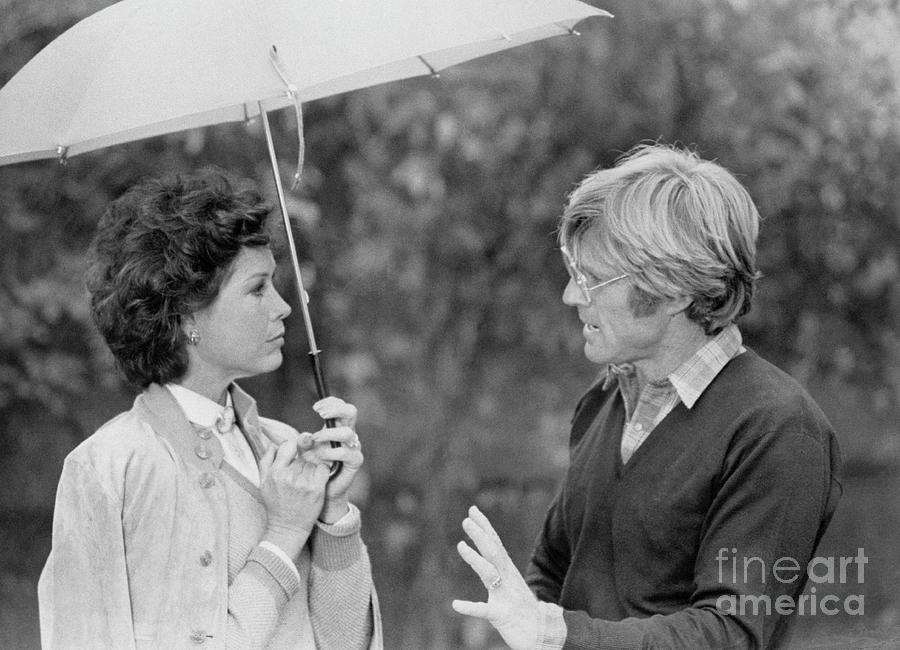
Beyond and between the detractors who found Mary Richards too slutty and the feminists who found her not angrily slutty enough, there were those (as I've mentioned before) who hated THE MARY TYLER MOORE SHOW completely. A strange brew, intelligent and analytical, who detested exactly the wistful, melancholy, nostalgic quality of the show many of the rest of us liked it for.
Oh, through the glass darkly.

Last edited:
Mary was cute, but as you say, Valerie was gorgeous. Penny was not a conventional beauty as you said, but as I’ve gotten older I’ve noticed what a great figure she had. A good dancer and athelete, too.If I have a single complaint about early MTM, it's the ridiculous notion that Rhoda was the dumpy one. No amount of schlubby sweatshirts or Phyllis putdowns could disguise the fact that Valerie was gorgeous and, what, at most 5 lbs "overweight"? Whatever Penny's great gifts, conventional beauty was not one of them and she did "morose loser" pretty well.
Mind you, I'm glad Penny hit it big with L&S, but I'd have liked to see her on MTM longer.

- Awards
- 8
Gorgeous? I don't know. Not overweight thoughMary was cute, but as you say, Valerie was gorgeous. Penny was not a conventional beauty as you said, but as I’ve gotten older I’ve noticed what a great figure she had. A good dancer and athelete, too.
- Awards
- 20
This may have been stated earlier in the thread, but I believe the original concept was for Mary Richards to be a divorcee but the censors wouldn't allow it, so they changed it to she had broken up with someone she'd been living with - but of course that couldn't be spoken aloud either.
- Awards
- 8
I can't remember when or where, bit that is my understandingThis may have been stated earlier in the thread, but I believe the original concept was for Mary Richards to be a divorcee but the censors wouldn't allow it, so they changed it to she had broken up with someone she'd been living with - but of course that couldn't be spoken aloud either.
Network people supposedly told MTM that people will think she divorced Dick Van Dyke.
As if people can't tell the difference between reality and fiction.
On the other hand...LOL
- Awards
- 20
There were a couple of reviews here at the time that called MTM a spin-off of DVD, so they must have thought that, too.Network people supposedly told MTM that people will think she divorced Dick Van Dyke.
- Awards
- 21
Strangely enough, a percentage of the public cannot distinguish between real life and fiction. Just ask anybody who's been in movies or TV for six months, let alone played the same role for years.
Yes, she was to be a divorcee. And the network freaked about it in the way networks always freaked-out over the wrong things (while ignoring things that mattered, like Donna Reed and Pam Ewing's Dream years later).
Divorces were only seen as routine for movie stars, like naughty home wreckers Lana Turner and Elizabeth Taylor. Yes, "regular people" got divorced also, but it was always with a vague odor of disapproval or discussed with discomfort.
I'm just old enough to remember how references to "divorce" and "cancer" were, in impolite society, uttered literally in hushed tones. That was still somewhat the case as the '60s collided into the '70s. (I still jump a bit when Leo G. Carroll mentions "cancer" near the end of REBECCA in 1940!)
Barbara Parkins made a really good point during an interview about VALLEY OF THE DOLLS, and she described how any kind of scandal in the '60s, especially sex scandal, was seen "as being really dirty." And it was. And in a way quite difficult to effectively articulate today, the nuance of the zeitgeist at that time. (If you want to appreciate the utter moralistic shock/titillation that arose and surrounded the Burton/Taylor romance, where the biggest star on the planet stole two husbands, place it in the context of the era). It's not just because it "was a more innocent time," which it certainly was not, but an era of seismic transitions that felt more dramatic than they even were on paper.
That atmosphere was, more or less, still mostly in place when the stark, volatile ambiance of the late-'60s became the deeply melancholy early-'70s.
Within just a couple of years, there was little or no prohibition of lead characters in TV series from being divorced at all; in fact, by the mid-'70s, it was almost a prerequisite.

This may have been stated earlier in the thread, but I believe the original concept was for Mary Richards to be a divorcee but the censors wouldn't allow it, so they changed it to she had broken up with someone she'd been living with - but of course that couldn't be spoken aloud either.
Yes, she was to be a divorcee. And the network freaked about it in the way networks always freaked-out over the wrong things (while ignoring things that mattered, like Donna Reed and Pam Ewing's Dream years later).
Divorces were only seen as routine for movie stars, like naughty home wreckers Lana Turner and Elizabeth Taylor. Yes, "regular people" got divorced also, but it was always with a vague odor of disapproval or discussed with discomfort.
I'm just old enough to remember how references to "divorce" and "cancer" were, in impolite society, uttered literally in hushed tones. That was still somewhat the case as the '60s collided into the '70s. (I still jump a bit when Leo G. Carroll mentions "cancer" near the end of REBECCA in 1940!)
Barbara Parkins made a really good point during an interview about VALLEY OF THE DOLLS, and she described how any kind of scandal in the '60s, especially sex scandal, was seen "as being really dirty." And it was. And in a way quite difficult to effectively articulate today, the nuance of the zeitgeist at that time. (If you want to appreciate the utter moralistic shock/titillation that arose and surrounded the Burton/Taylor romance, where the biggest star on the planet stole two husbands, place it in the context of the era). It's not just because it "was a more innocent time," which it certainly was not, but an era of seismic transitions that felt more dramatic than they even were on paper.
That atmosphere was, more or less, still mostly in place when the stark, volatile ambiance of the late-'60s became the deeply melancholy early-'70s.
Within just a couple of years, there was little or no prohibition of lead characters in TV series from being divorced at all; in fact, by the mid-'70s, it was almost a prerequisite.
Last edited:


- Awards
- 24
Not relevant to a discussion of MTM but a famous example of this inability to distinguish comes from a plot twist on The Edge of Night in 1960. For four years, Teal Ames had played Sara Karr, wife of the show's lead character Mike Karr. "Sara" got hit by a car and killed when Ames opted not to renew her contract. The day the (live) episode aired, the CBS switchboard was inundated with callers, most of whom were devastated and asking where they could send condolences. The producers had to get Teal Ames to appear in a segment at the close of a subsequent episode speaking directly to the camera to prove she had not died IRL, explaining that she was moving on to other roles in television.Strangely enough, a percentage of the public cannot distinguish between real life and fiction. Just ask anybody who's been in movies or TV for six months, let alone played the same role for years.
- Awards
- 21
Not enough.
- Awards
- 9
Not enough.
Just enough that every variety show was like a drug induced fever dream.